

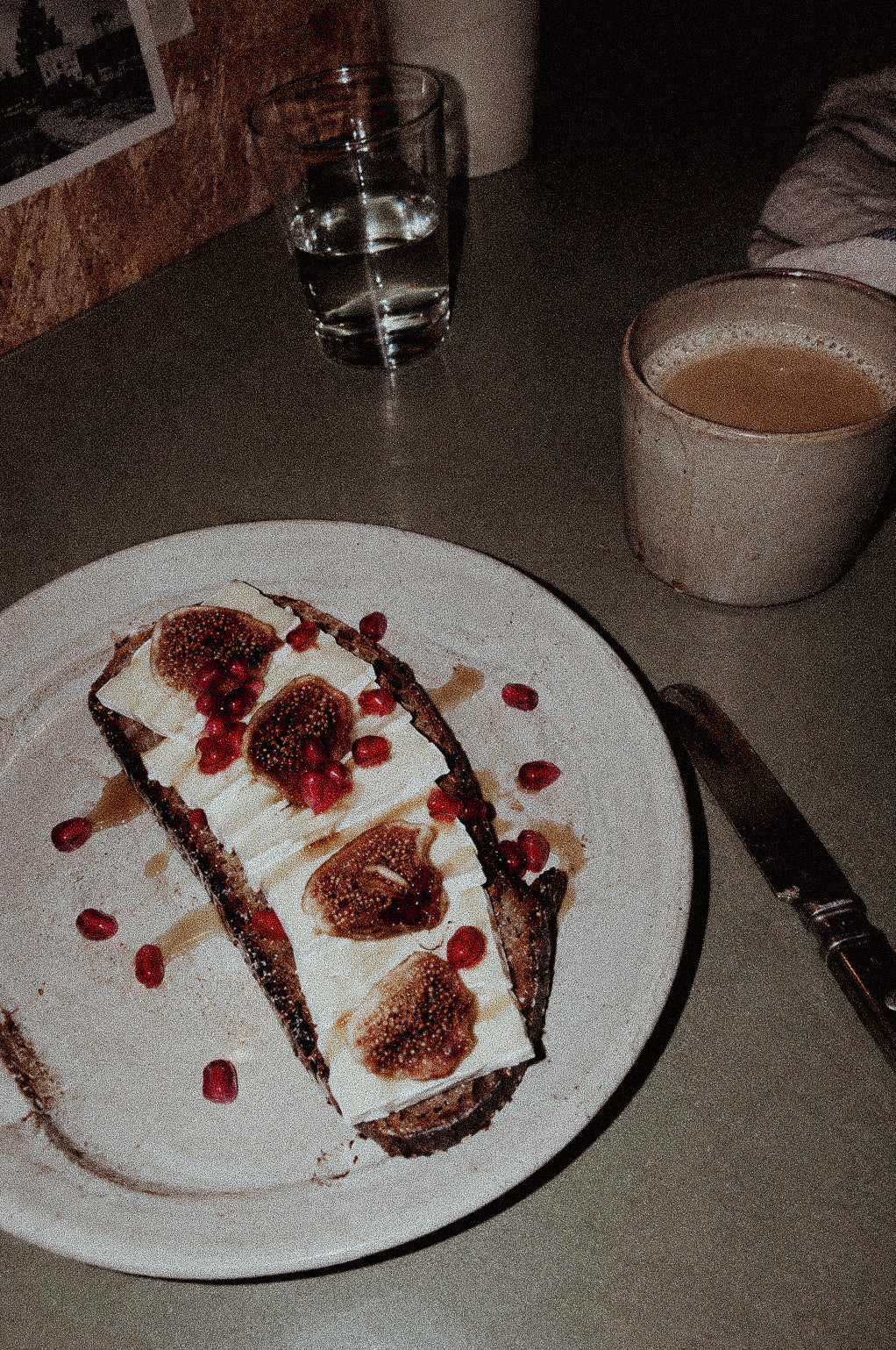
Chai as a Food Topping: Think Spice, Not Just Drink
Using chai as a topping for cheese toast, roasted pumpkin or a wild game charcuterie board isn’t as unusual as it might sound. In fact, it makes perfect sense once you stop thinking of chai purely as a drink and start thinking of it as a concentrated blend of spices. A traditionally brewed organic chai syrup made with cinnamon, ginger, cardamom, cloves, star anise and chilli behaves much like a good chutney, spiced reduction or fruit mustard on the plate: it adds depth to otherwise simple combinations. And it takes seconds. No additional prep, no new kitchen workflow.
How does chai work as a savoury topping?
Cinnamon, ginger and cardamom are hardly strangers to savoury cooking. They appear individually in countless dishes, curries and chutneys. What makes a traditionally brewed chai syrup interesting is that the work has already been done. The spices have been slowly extracted during cooking, creating a concentrated liquid that can be added directly to a dish. No powders, no dry pockets of spice, no extra preparation.
On toasted sourdough with mature cheese or goat’s cheese, it works in much the same way as fig mustard: salty, creamy cheese meets the heat of ginger, warm spices and a little sweetness. Roasted pumpkin already has a natural sweetness of its own. Chai picks that up while adding the spice and warmth that can turn a fairly simple pumpkin dish into something much more interesting. And with wild game salami – dry, smoky and full of character – a little chai can bridge the gap between the meat, bread, butter or a dip without overpowering any of them.
What does this have to do with menu variety?
Quite a lot. A café already using Black Sense Chai doesn’t necessarily need another product to create another menu item. The same bottle can become a Chai Latte, Iced Chai, Dirty Chai or Chai Tonic – and, if the kitchen is up for it, it can move straight onto the food menu too.
Seasonal specials suddenly don’t require an entirely new ingredient. In autumn, try roasted pumpkin with chai and goat’s cheese. In winter, a cheese board with chai-spiked mustard. At breakfast, porridge with fruit, nuts and a chai drizzle. The interesting bit isn’t adding more and more products to the shelf. It’s finding more ways to use the good ones already there.
What can you actually do with it?
Baking & breakfast: Add chai to muffin batter, cakes or porridge for sweetness and spice in one step. It works particularly well with oats, baked apples, pears, nuts and chocolate – basically everything that already likes warm spices.
Bowls & porridge: Drizzle it over yoghurt, granola or breakfast bowls as you would maple syrup or honey. Only now there’s ginger, cardamom, cinnamon, cloves, star anise and chilli coming along for the ride.
Cheese boards & bread: A few drops directly onto cheese work beautifully, or mix chai syrup into softened butter for a quick spiced butter. And then there’s Eva’s all-time favourite: mix mustard with Chai Syrup at roughly 1:5 and spread it very thinly over blue cheese. Sounds slightly questionable. Is extremely good.
Roasted vegetables & savoury dishes: Use a small amount as a finishing touch on roasted pumpkin, root vegetables or parsnip purée. It also works stirred into creamy dips – goat’s cheese, crème fraîche or plant-based alternatives – where you get little streaks of sweetness and spice rather than turning the whole thing into “chai flavour”.
Does it make sense financially for a café?
For food toppings, you’re usually working with just a few millilitres per serving, so the ingredient cost stays small. But that’s almost beside the point. A cheese bagel is a cheese bagel. Porridge is porridge. The cafés people come back to tend to be the ones that take something fairly ordinary and give it one small detail you remember. Sometimes that detail is five millilitres of something you already had behind the counter.


